
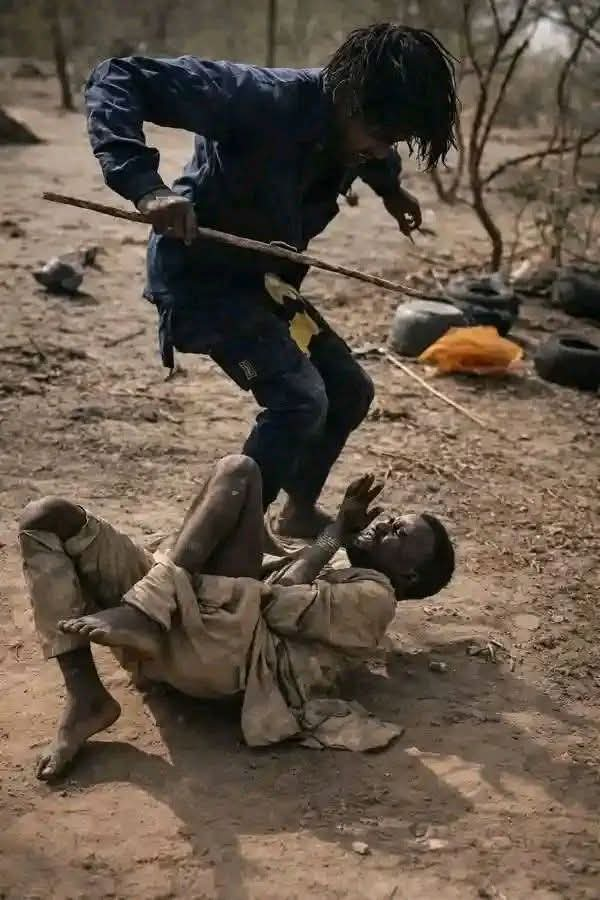

The painful story of Abba, a young corps member serving under the National Youth Service Corps, is yet another reminder of how insecurity continues to erode the sense of safety in Nigeria. What began as a desperate race to save a life has slowly turned into a national moment of grief, uncertainty, and frustration.
Abba was not just another statistic in the growing list of kidnapping victims. He was a brother, a friend, and a promising young Nigerian who answered the call to national service. Those who knew him speak of his kindness, humility, and the warmth he brought into every space he occupied. Today, his absence leaves a painful void in the hearts of family members, friends, and the wider community.
The tragedy surrounding Abba is even more heartbreaking because of the desperate efforts made to secure his freedom. His family reportedly paid a ransom of ₦10 million—money raised through public donations from Nigerians who hoped that compassion and sacrifice would bring him home safely. Instead, the kidnappers allegedly cut off communication and made further demands, including three motorcycles.
At that moment, the family faced an impossible choice: continue negotiating with criminals whose promises could not be trusted, or accept a painful reality that no family should ever have to face. Their decision to refuse additional demands speaks not only to exhaustion but also to the cruel uncertainty that kidnappers often impose on victims’ families.
What makes the situation more troubling is the silence surrounding the case. Neither the Nigeria Police Force nor the National Youth Service Corps has provided definitive confirmation about Abba’s status. In a country where kidnapping has become alarmingly frequent, such silence often deepens the anguish of families and fuels public distrust.
The planned funeral prayer in absentia—Salat al-Janaza al-Gha’ib—is therefore not just a religious ritual. It is a symbol of grief mixed with uncertainty, a heartbreaking acknowledgment that hope has grown fragile. For many Nigerians, it reflects the harsh reality that families often grieve without closure.
Yet beyond the sorrow lies a pressing national question: how many more tragedies will it take before decisive action is taken against kidnapping? Security cannot remain a talking point after every tragedy. It must become a sustained priority backed by strategy, intelligence, and accountability.
Government and law enforcement agencies must strengthen security operations, particularly in areas where kidnappings have become frequent. Communities must also work closely with security agencies by sharing information and remaining vigilant. Crime thrives in silence and disunity, but it weakens when citizens and authorities cooperate.
Equally important is addressing the deeper social issues that sometimes fuel criminality. Poverty, unemployment, and lack of opportunities continue to create conditions where desperate individuals are drawn into violent crimes. While these factors do not justify kidnapping, ignoring them will only allow the cycle of insecurity to continue.
Abba’s story is not just about loss; it is a wake-up call. Every Nigerian deserves to live without fear of abduction or violence. As the nation mourns this young man, the greatest tribute to his memory would be a renewed commitment—by government, communities, and citizens—to build a country where tragedies like this no longer define our headlines.
May Abba’s soul find peace, and may his story awaken the urgency needed to protect innocent lives.